



EKG vs. Echocardiogram: What’s the Difference and Which Do You Need?

Heart health is a top priority for many people, especially in Texas where heart disease remains a leading cause of illness. When it comes to evaluating your heart’s function, doctors often recommend diagnostic tests like the EKG (Electrocardiogram) or the Echocardiogram (Echo). While both tests are essential tools in cardiology, they serve different purposes and provide distinct information about your heart.
Understanding the differences between an EKG and an echocardiogram can help you know what to expect and decide which test may be right for you—or when your doctor might recommend one over the other.
What is an EKG?
An EKG is a quick, painless test that records the electrical activity of your heart. Your heart beats because electrical signals prompt its muscle to contract and pump blood. The EKG machine captures these electrical impulses through electrodes placed on your chest, arms, and legs.
What Does an EKG Show?
● Heart rhythm: It detects irregular heartbeats (arrhythmias), such as atrial fibrillation or ventricular tachycardia.
● Heart attack: An EKG can identify signs of a current or past heart attack by detecting damaged heart muscle areas.
● Heart size: Certain EKG patterns can suggest an enlarged heart or thickened heart muscle.
● Effect of medications: Some drugs affect heart rhythm, and an EKG helps monitor their impact.
The entire test takes only a few minutes and is often used as a first-line screening tool for heart problems.
What is an Echocardiogram?
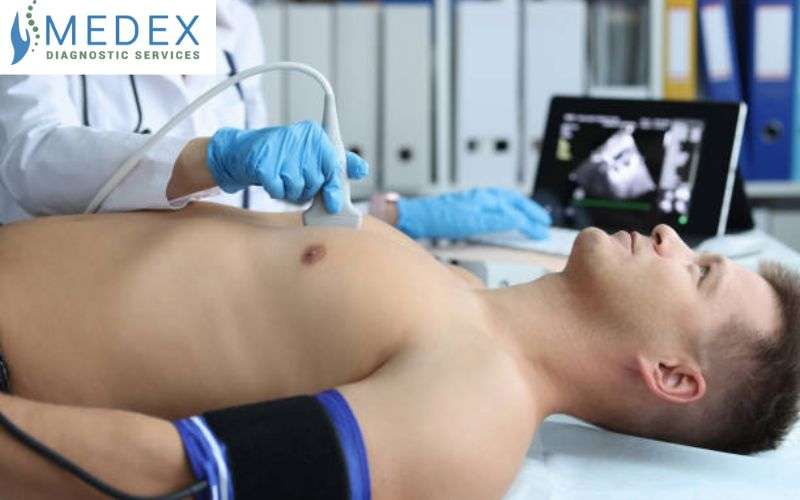
An echocardiogram, or echo, is an ultrasound scan of your heart. Unlike the EKG, which measures electrical activity, an echo uses sound waves to create moving images of your heart’s structure and function.
What Does an Echocardiogram Show?
● Heart chambers and valves: It shows the size, shape, and movement of the heart’s chambers and how well the valves open and close.
● Heart pumping function: It measures how effectively your heart pumps blood, often calculating the ejection fraction (the percentage of blood pumped out with each beat).
● Blood flow: Doppler ultrasound can show the direction and speed of blood flow through the heart and major vessels, detecting leaks or blockages.
● Heart muscle abnormalities: It can detect areas of poor motion due to damage or disease.
An echocardiogram usually takes 30 to 60 minutes and is performed by a trained technician.
Key Differences Between EKG and Echocardiogram
| Feature | EKG (Electrocardiogram) | Echocardiogram (Echo) |
| What it measures | Electrical signals of the heart | Ultrasound images of heart structure & function |
| Test duration | 5 to 10 minutes | 30 to 60 minutes |
| Purpose | Detects arrhythmias, heart attacks, electrical abnormalities | Assesses heart anatomy, valve function, pumping ability |
| Type of test | Non-invasive, electrodes attached to skin | Non-invasive, ultrasound probe on chest |
| Common uses | Screening for irregular heartbeat, chest pain evaluation | Evaluating heart valve disease, heart failure, structural defects |
| Portability | Highly portable, can be performed anywhere | Requires specialized equipment, usually done in clinics or hospitals |
When Might You Need an EKG?
If you experience symptoms such as:
● Palpitations or irregular heartbeats
● Chest pain or pressure
● Dizziness or fainting spells
● Shortness of breath
● Fatigue or weakness related to heart function
Your healthcare provider may recommend an EKG as a quick and effective way to check for electrical abnormalities in your heart.
Portable EKG services are especially beneficial for patients in Texas who may have difficulty traveling to medical facilities. Medex Diagnostic Services offers home visits and bedside EKG testing, providing comfort and convenience while ensuring rapid and accurate results interpreted by licensed cardiologists.
When is an Echocardiogram Recommended?
Your doctor might order an echocardiogram if you have:
● Heart murmurs or abnormal heart sounds
● Known or suspected valve disease
● Symptoms of heart failure (swelling, fatigue, shortness of breath)
● History of heart attack needing assessment of heart muscle damage
● Congenital heart defects
● Abnormalities found on EKG requiring further structural evaluation
Since an echocardiogram provides detailed images, it is often used to guide treatment decisions and monitor disease progression.
Can You Have Both Tests?
Yes! In fact, EKG and echocardiograms often complement each other. Many cardiology evaluations include both:
● EKG for initial rhythm and electrical function assessment
● Echocardiogram for detailed structural and pumping function analysis
This combined approach gives your doctor a comprehensive view of your heart health and helps tailor the best treatment plan for you.
How Medex Diagnostic Services Supports Heart Health in Texas
At Medex Diagnostic Services, we understand the importance of timely heart diagnostics. That’s why we provide both portable EKG services and referrals for echocardiograms at trusted local facilities.
Benefits of Choosing Medex for Portable EKG:
● Certified technicians who come to your home, clinic, or care facility
● Fast, secure transmission of EKG data to licensed cardiologists
● Convenient scheduling with quick turnaround of results
● Insurance assistance including Medicare, Medicaid, BCBS, VA, and more
By offering portable EKG testing throughout Texas, Medex helps patients get accurate heart rhythm monitoring without the inconvenience of traveling to a hospital.
Conclusion
Both EKGs and echocardiograms are vital tools in diagnosing and managing heart disease, but they serve distinct purposes. An EKG records the heart’s electrical activity and is excellent for detecting rhythm problems and heart attacks, while an echocardiogram uses ultrasound to provide detailed images of the heart’s structure and function.
Your healthcare provider will recommend the most appropriate test based on your symptoms and medical history. For Texans seeking convenient heart health monitoring, Medex Diagnostic Services’ portable EKG services offer accessible, high-quality testing wherever you are.
Stay proactive about your heart health — talk to your doctor about which test you need and consider the ease of portable EKG testing to keep your heart monitored safely and comfortably.